

One Bowl at a Time: Small Sips Towards Inner Peace
You don’t need to study chado to get the immediate benefits of tea and mindfulness

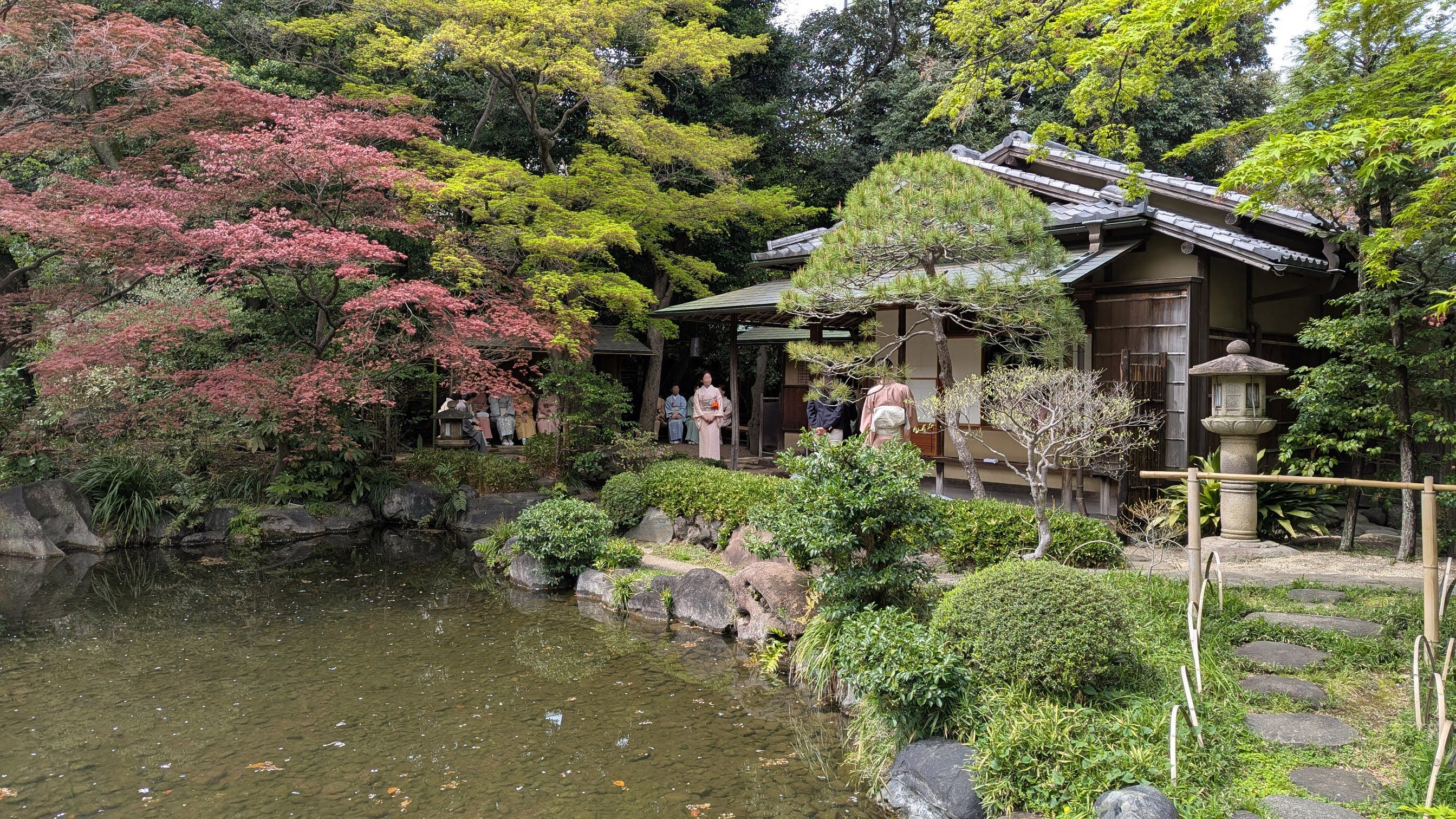
When I started practicing Japanese tea ceremony 20 years ago, I had no idea I was building a lifestyle centered on digital detox. And I certainly didn’t realize how much I needed it.
Back then, it seemed like a logical hobby for someone who’d been fascinated with Japan since childhood. I thought, “Finally I have a place where I can actually put my university degree to good use.” Japanese literature, art, aesthetics, history – all those “impractical” things that interested me were suddenly relevant knowledge in an art form where whisking a bowl of tea is just an entry point to a deep universe of stories and poetic references.
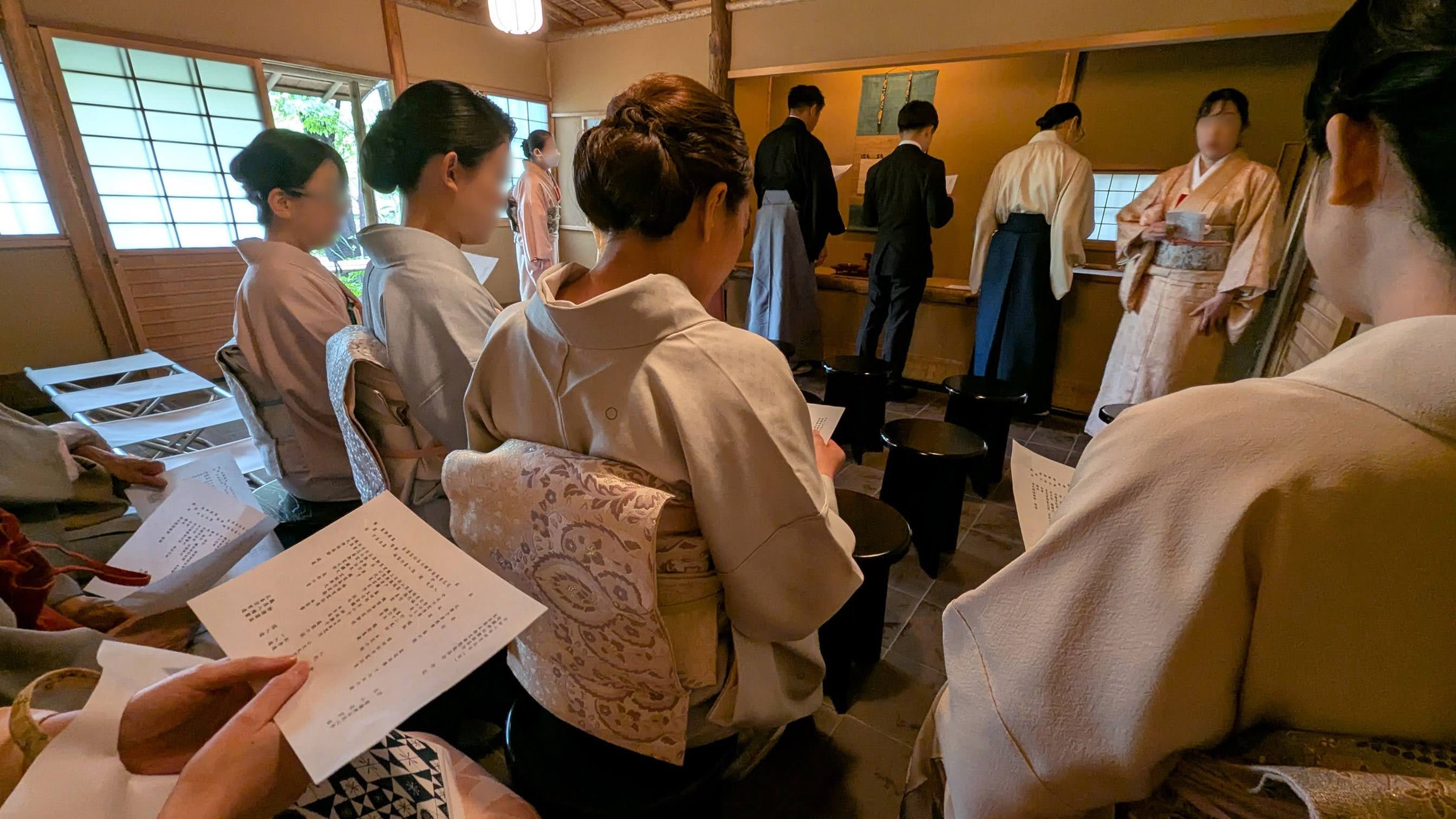
Over time, I saw that my growing devotion to chanoyu had tangible benefits. At first, I was preoccupied with learning manners, how to wear kimono, and how to endure sitting in seiza. Then, once things started to feel familiar, I got into a groove with being more present. I could sense my own serenity emerge through the course of a lesson, noticing the difference in how I felt before and after. It didn’t matter if I was tired, stressed, or just not in the mood beforehand – I’d go anyway, and I never regretted it.
Digital detox doesn’t require a hardcore, monastic retreat from daily life. You can even find “peacefulness in a bowl of tea.” This philosophy, promoted by the late Dr. Sen Genshitsu – 15-generation Grandmaster of the Urasenke school of tea and UNESCO Goodwill Ambassador, who passed away at 102 last year – shows how peace starts within ourselves and can be shared from person to person, one bowl at a time.
Sometimes managing stress requires a radical shift in behavior. People have written books about ditching tech for extended stretches, going on retreats for weeks or months. There’s an entire industry built around it. I’m all for it if it makes you feel good.
But ritual is also a remedy. What I love about that is how subtle it is – carving out time to prioritize your direct experience of something meaningful, free of digital distraction. By allowing ourselves to focus and participate with intention, the experience is much richer than one mediated by a screen.
You don’t even need to study chado to get the immediate benefits of tea and mindfulness. Start with tuning into your senses and taking in the uniqueness of the present moment. Slow down and appreciate the smallest sensory details.
For me, I always notice the bright green hue of the matcha powder and its subtle, chocolatey aroma. The soft trickling sounds of hot water slowly pouring into the tea bowl from the bamboo ladle, followed by the soft swishes of a whisk, and then the richer, grassy smell of tea that’s ready to drink – it all builds anticipation before the first sip.
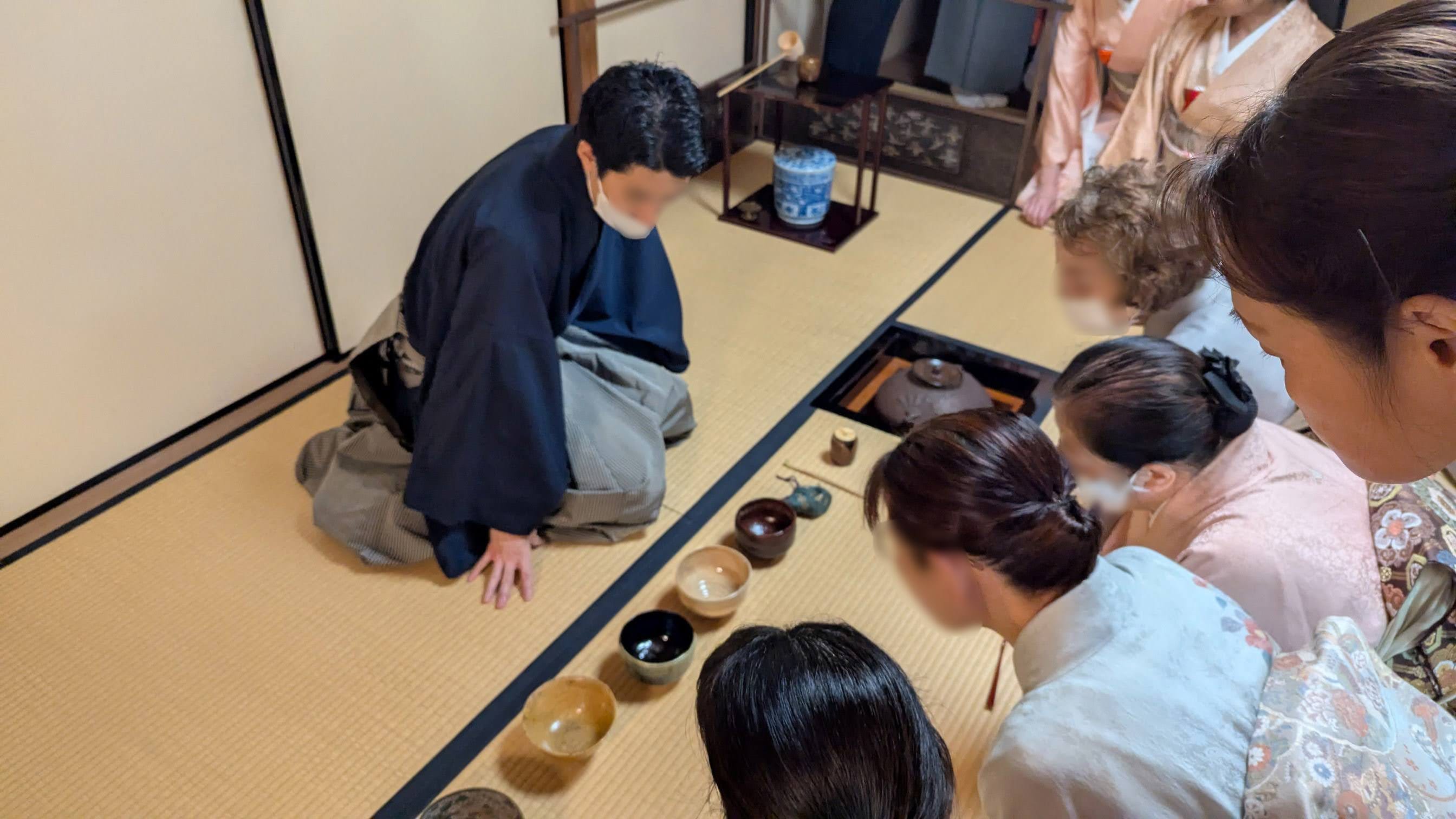
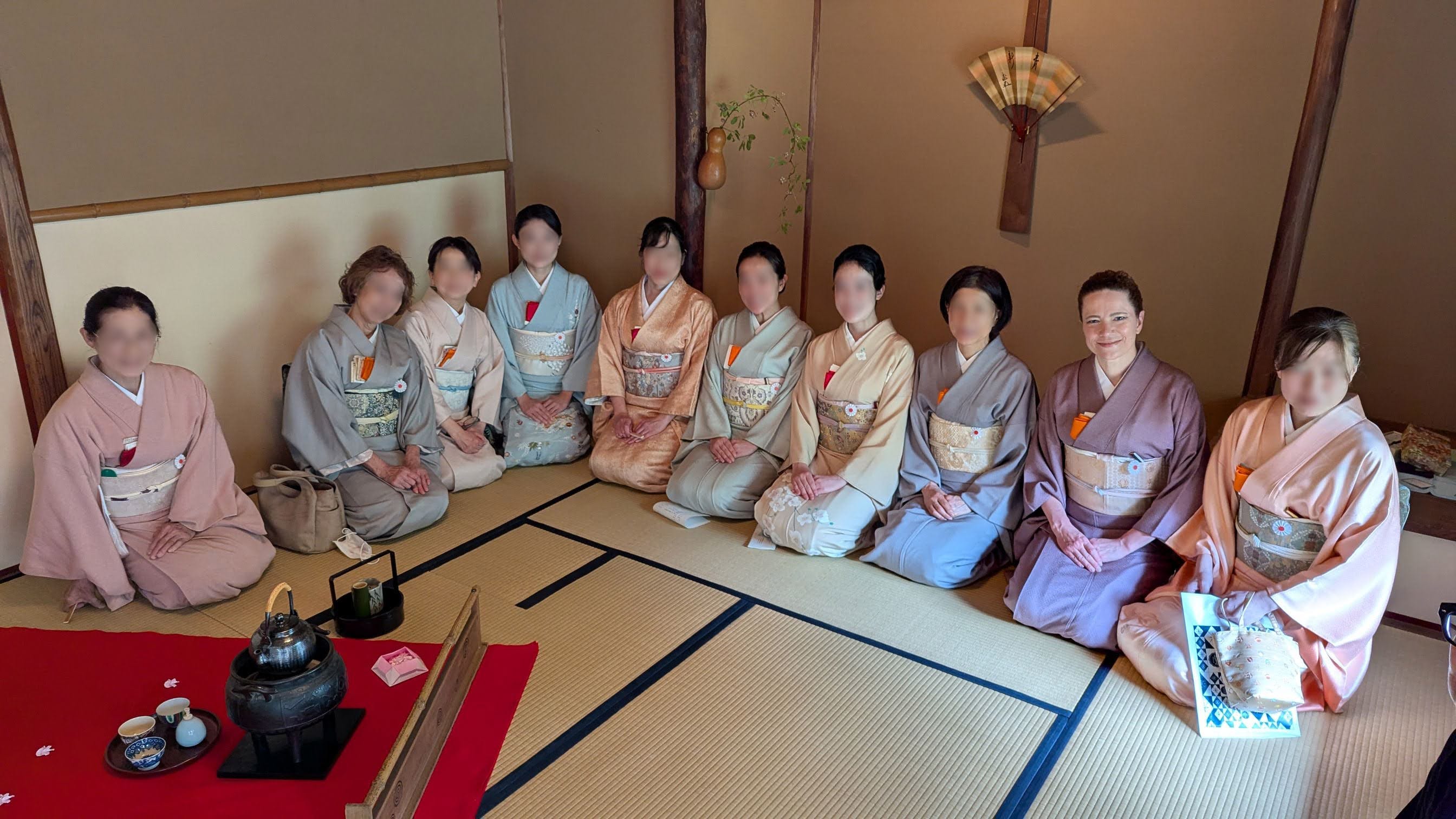
What I just described is only one part of a full ceremony that has an entire symphony of tastes, smells, and sounds – the delicate flavor of a seasonal omogashi sweet, the hint of incense in the air, the quiet crackling of charcoal being arranged in the hearth. Every moment is an expression of hospitality from the host, something that can never truly be repeated.
This is all a long explanation for why I have lots of tea-related photos, but very few of actual tea ceremonies in progress. (Of course, it’s also considered impolite to whip out your phone or camera in the middle of all of this.) Nowadays, I look forward to times like these when I can step away from the daily routine and become rejuvenated by the tea room’s simple pleasures.
Truly, a beautiful practice of meditation, and more.
Wonderful thoughts. I very much respect the phrase
"focus and appreciate with attention." Very meaningful in the arts.